
Reinforcing Trees to Prevent Structural Failure
Tree Cabling in Frederick for multi-trunk trees, weak branch unions, and valuable specimens at risk of splitting under wind or ice load
The Best Friends Landscaping LLC installs tree cabling systems for homeowners who want to preserve mature trees showing signs of structural weakness but are not yet in immediate danger of failure. You consider cabling when a large silver maple has a narrow crotch that flexes in the wind, when a co-dominant oak has visible seams between trunks, or when a historic tree on your property has sentimental or landscape value worth protecting. Cabling adds external support to reduce movement and distribute load across weak unions.
Tree cabling involves installing high-strength steel cables in the upper canopy to limit the movement of limbs or trunks that would otherwise sway independently and stress weak attachment points. Frederick's weather includes ice storms that load branches asymmetrically and summer thunderstorms with sudden wind gusts, both of which can split trees with structural defects. Cables are tensioned to allow natural movement while preventing the extreme flexing that leads to failure, extending the safe life of trees that might otherwise need removal.
If you have a tree with visible cracks, co-dominant stems, or a history of limb loss, reach out to discuss whether cabling is appropriate and how it would be installed on your property.
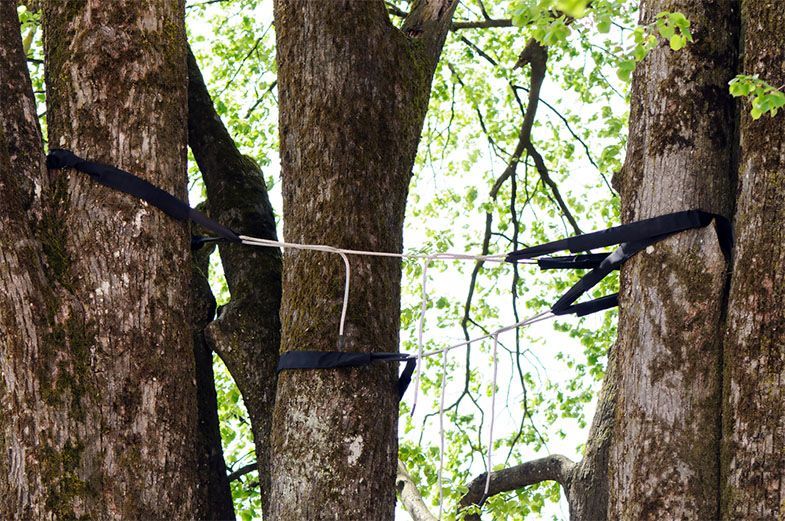
How Cabling Systems Are Installed
You need more than drilling a hole and threading a cable to create a system that actually supports the tree without causing additional damage. The Best Friends Landscaping LLC climbs into the canopy and installs cables at about two-thirds the height of the weak union, using bolts drilled through sound wood and tensioned to limit lateral movement without restricting all natural sway. The cable is positioned to prevent the weakest point from opening further under load, and multiple cables may be used if the tree has several vulnerable areas.
After installation, you will see steel cables running between major limbs or trunks in the upper canopy, often visible only from certain angles and blending into the tree structure. The tree will still move in the wind, but the range of motion is reduced, and the risk of the union splitting during storms is significantly lower. You will not see changes in foliage or growth immediately, but over time the tree continues to add wood around the supported union, reinforcing the connection naturally.
Cabling does not eliminate the need for regular inspection or pruning, and cables should be checked every few years for tension and hardware condition. If the tree has advanced decay or root failure, cabling may not provide enough support, and removal may still be necessary. Cabling is a supplement to tree health management, not a replacement for addressing underlying structural or disease issues.
Understanding Tree Cabling Decisions
Cabling is a specialized intervention that works best when applied to the right tree for the right reasons, and understanding the process helps you decide if it is appropriate for your situation.
What types of trees benefit most from cabling?
Trees with co-dominant stems, narrow branch angles, or valuable historic specimens that show early signs of splitting but still have strong wood and healthy foliage respond well to cabling.
How long does a cabling system last?
Steel cables and hardware can last twenty years or more if installed correctly and inspected periodically, though the tree will continue growing and may eventually outgrow the original installation points.
When is cabling not recommended?
Cabling is not effective if the tree has significant decay at the union, if root stability is compromised, or if the weak point is too low in the canopy to provide adequate leverage for the cable system.
Why not just prune the tree instead of cabling it?
Pruning reduces weight and wind resistance, but it cannot prevent movement at a weak union the way a properly installed cable can, especially in Frederick's variable weather conditions where ice and wind create sudden, heavy loads.
What maintenance does a cabled tree require?
You should have the cable tension and hardware inspected every two to three years, and the tree should still receive routine pruning to remove deadwood and manage weight distribution across the canopy.
The Best Friends Landscaping LLC installs cabling systems throughout Frederick for trees that are worth preserving but need additional support to remain safe. If you have a mature tree with structural concerns, contact the team to schedule an assessment and determine whether cabling is the right approach for your situation.